Don't worry, both will end in similar ways bringing us together
19:57
2. I had military secrets of the Malaysians leaked with the help of my brother in law and knowing how they are full on sucking up to Russia, they will let China blockade Japan and allies through the Strait of Malacca when war erupts over Taiwan
19:58
I head to Japan at an opportune moment with a tourist visa and defect
i have a question, i was reading up on Dayak-Japanese relations during ww2 and i ended up seeing info about this japanese Admiral, would you happen to have any idea why he did it?
The Pontianak incident consisted of two massacres which took place in Kalimantan during the Japanese occupation of the Dutch East Indies. One of them is also known as the Mandor Affair. The victims were from a wide variety of ethnic groups, and the killings devastated the Malay elite of Kalimantan, with all the Malay Sultans of Kalimantan execut...
20:15
Ah
20:15
I got it confused because well
20:15
The Sambas and other Sultans were executed by the Japanese
The Dayak Desa War or Majang Desa War was an armed uprising by the Dayak Desa tribe in West Kalimantan against the Japanese Empire during World War II, and shortly thereafter by Indonesian nationalists against the Dutch East Indies. The war was initially caused by the local population's opposition against the rōmusha system and disappointment w...
Unfortunately many other sources that are unbiased and actually showed the Japanese were trying to eventually uplift the Dayaks such as recognizing our Kaharingan religion as a form of Shinto is untranslated
Home » Cerita Dayak , Hindu Kaharingan » Sejarah KaharinganSejarah Kaharingan Written By Yohansen Borneo on Senin, 14 Desember 2009 | Senin, Desember 14, 2009 Kaharingan adalah nama agama orang-ora…
Here's an excerpt:
"During the Japanese era, Kaharingan received respect and a high status. To garner sympathy and support from the Dayak people, the Japanese military authorities claimed that the Kaharingan religion was related to Shinto. Therefore, for the first time, this tribal religion was elevated and accepted as a respected religion and even made a serious partner of the government in cultural development.
To learn more about Kaharingan and Dayak culture, the Japanese government established a Research Center (Puslit) called the Kalimantan Customs and Culture Research Unit. One of the activities of the Research Center, based in Banjarmasin and led by Prof. K. Uyehara, was to conduct expeditions into the interior to survey and document Dayak customs and culture. On these trips, they brought along local people considered knowledgeable about Kaharingan and Dayak culture, including Tjilik Riwut and Damang Yohanes Salilah."
20:41
I translated it
20:41
The more I actually looked into it, the more weight the Shinto similarities actually hold
Late teems to now, it was betrayal, death of comrades, assassination attempts, suicide attempts and various triggers of recurring episodes of flashbacks
Late teems to now, it was betrayal, death of comrades, assassination attempts, suicide attempts and various triggers of recurring episodes of flashbacks
But we mostly are trying to normalize our ideology while fighting against Communism and leftism and wanting to institute a new form a governance across Asia
17:11
But this also meant we fought against Chinese Communist influence and have people inside China too who are Anti-CCP
17:12
We are hostile to globalism and liberalism too to put it mildly
𝕻𝖗𝖎𝖓𝖈𝖊⌁𝐍𝖔𝖗𝖔
But we mostly are trying to normalize our ideology while fighting against Communism and leftism and wanting to institute a new form a governance across Asia
My grandfather used to tell me that when some betel nut enjoyers walked into towns filled with other races, they would run away and shut the windows because the redness of the nut stains in our teeth would make us appear to have drank blood
But let me remind you that an alternative path that I'm possibly waiting for is to have the NIB and I come into contact with me and they'll get me another visa or cover of some kind and aid my defection to which they must honor their promise to extract me by the end of the year while I try get more secrets
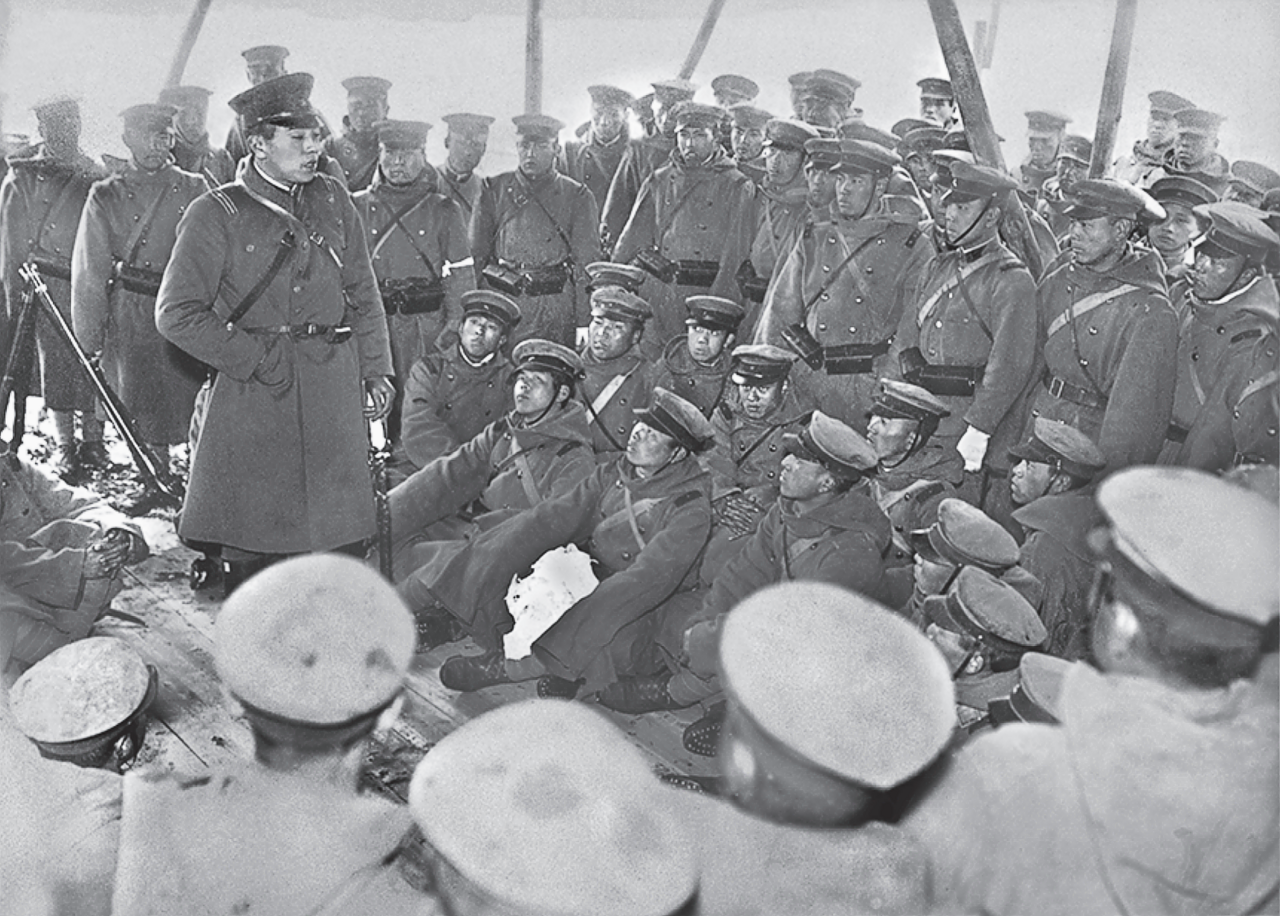
The February 26 incident (二・二六事件, Ni Ni-Roku Jiken), also known as the 2–26 incident, was an attempted coup d'état in the Empire of Japan on 26 February 1936. It was organized by a group of young Imperial Japanese Army (IJA) officers with the goal of purging the government and military leadership of their factional rivals and ideo...
18:20
My own organization is actually built as a spiritual successor to the Kodoha faction's ideals
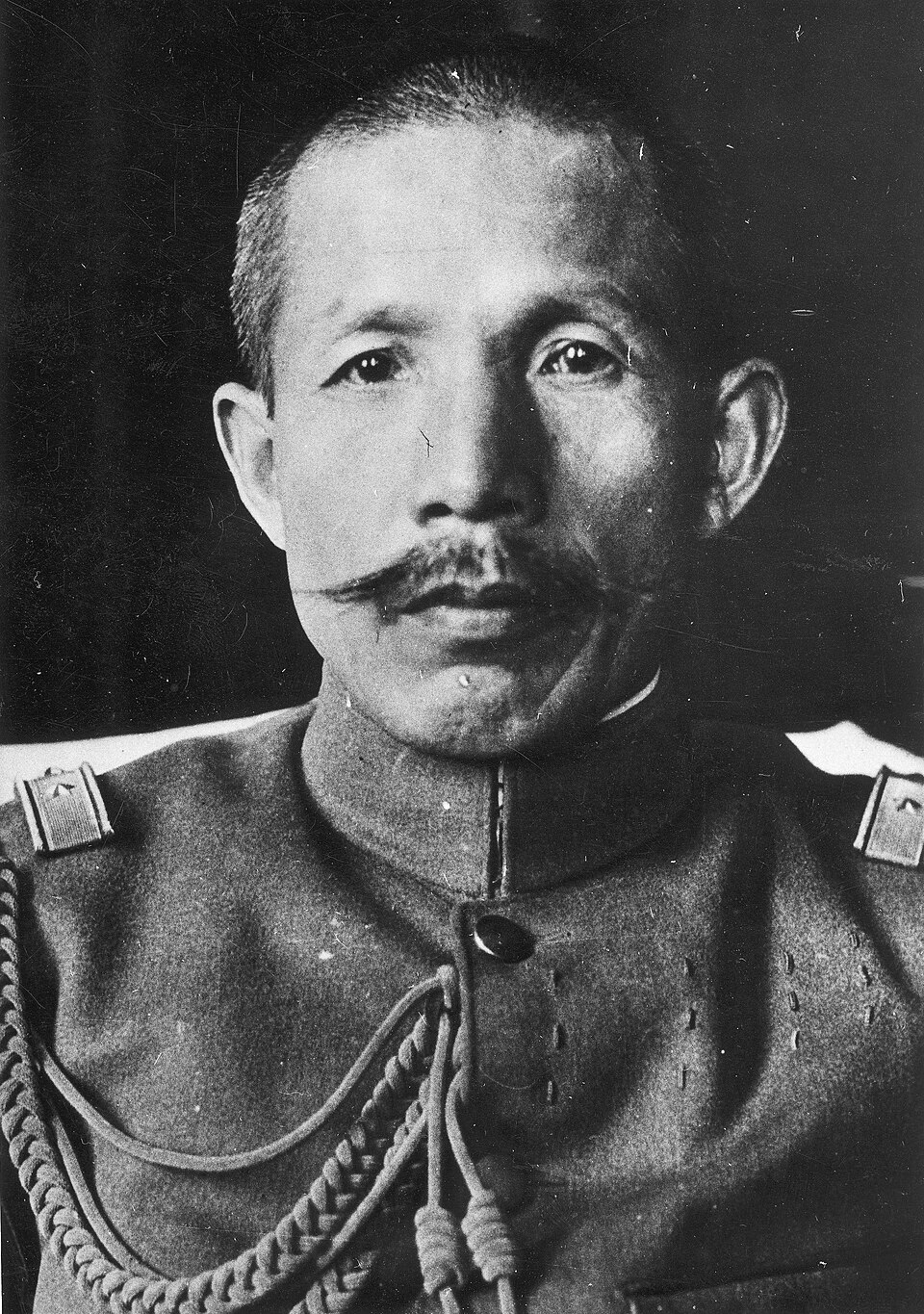
The Kōdōha or Imperial Way Faction (皇道派) was a political faction in the Imperial Japanese Army active in the 1920s and 1930s. The Kōdōha was a traditionalist movement that envisioned a return to an idealized pre-Westernized Japan, promoting militaristic and aggressive imperialist ideals. Led by Generals Sadao Araki and Jinzaburō Masak...
Kaharingan was classified as a form of Shinto by the Imperial Government and reformed on State Shinto lines as a backbone to give Dayaks a national identity and eventually a nation of our own(edited)
19:16
Izanagi and Izanami actually exist in our mythology too under different names
19:17
The myth survives in some tribes
19:18
But the core beliefs of Kaharingan is actually very very close to Shintoism that they are practically the same
19:19
Of course Japan took notice and went on to research it further